
SPOT
Attention pigment spotters!
Pigmentation spots and uneven skin tone require a targeted approach. Within SPOT I look at the cause, depth, and behavior of pigment, such as in melasma, sunspots, or brown residual spots after acne. Depending on your skin, skincare, medical peels, IPL, or a pigment laser may be part of the treatment plan. Not every pigment spot requires the same treatment.
Melasma and hormonal pigment spots
Melasma is often recognizable by irregular, brownish discolorations on, for example, the forehead, cheeks, or upper lip. Hormonal influences, sunlight, and visible light can play a role. Melasma tends to recur, even after the discoloration has faded.
The approach therefore focuses primarily on pigment-regulating skincare, appropriate sun protection, and avoiding unnecessary skin irritation. Light or laser treatment is not automatically the first choice for melasma, as heat and inflammation can worsen the pigmentation.
Brown residual spots after acne (PIH)
After acne, eczema, or other inflammation, brown to dark brown spots may remain. This is called post-inflammatory hyperpigmentation (PIH). The skin structure does not necessarily have to be damaged: a pigment spot is not automatically a scar.
A cautious approach is important, especially for skin that pigments easily. First, get the inflammation under control, then work on the discoloration and prevent new irritation. Red residual spots after acne (PIE) are slightly different and require a different assessment.
Sunspots, age spots and freckles
Sunspots (lentigines solares) primarily appear on skin areas that have been exposed to sunlight for years, such as the face, hands, and décolleté. Freckles are generally smaller, often have a hereditary component, and become more pronounced in sunlight.
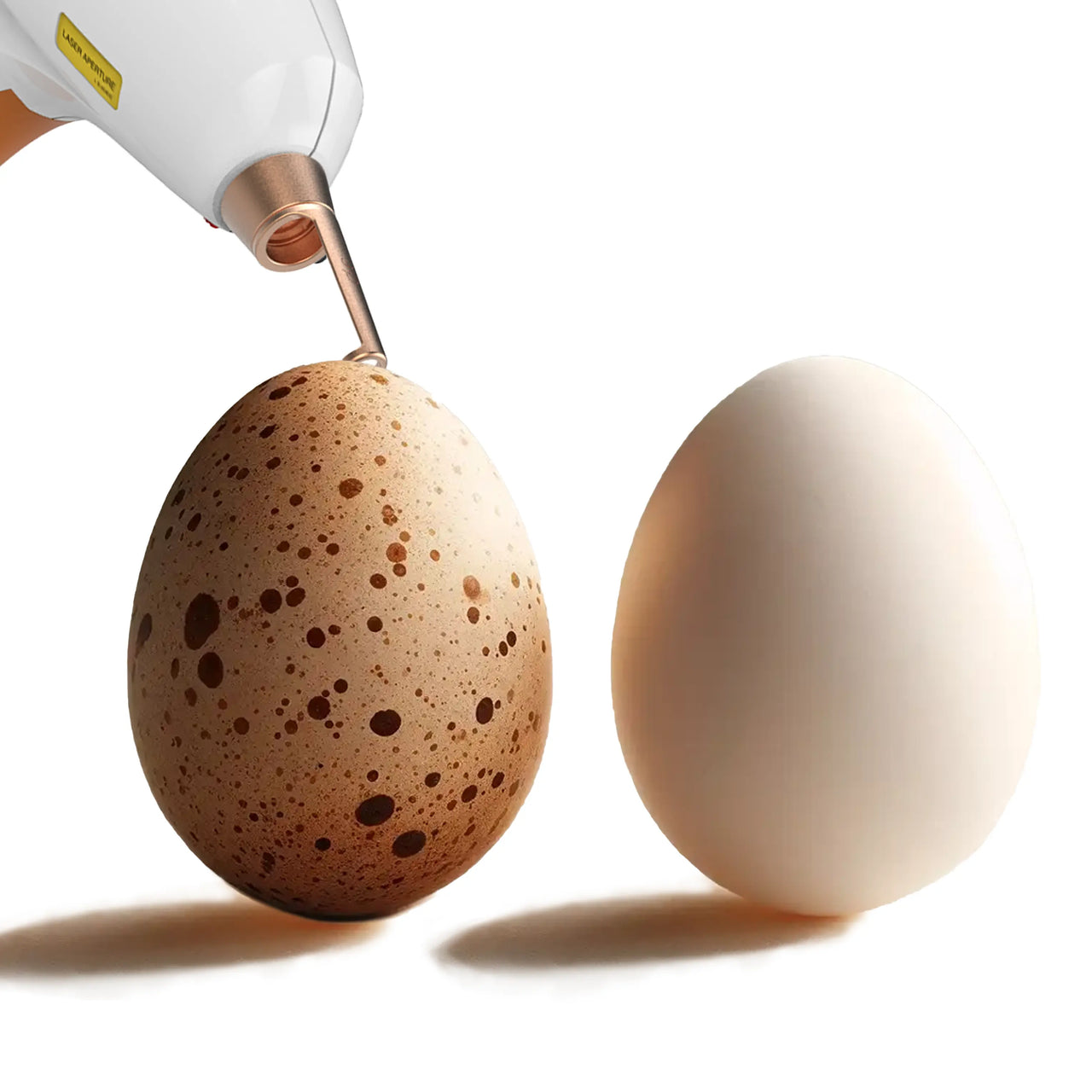
For selected, reliably assessed pigment spots, IPL or a Q-switched pigment laser may be an option. New or changing dark spots must first be medically assessed; not every brown spot is suitable for cosmetic treatment.
Treatment, skincare and camouflage
The treatment of pigment spots depends on the cause, the depth of the pigment, and your skin type. For suitable pigment spots, IPL, the Q-switched Nd:YAG pigment laser, or medical peels can be used. Caution is particularly important in cases of melasma and pigment-sensitive skin.
Daily sun protection and carefully chosen skincare are indispensable. Retinol and other pigment-regulating ingredients can provide support, provided the skin tolerates them well.
Not every pigment difference is dark: with hypopigmentation, lighter spots actually appear. When treatment is not possible or desirable, medical camouflage can help to temporarily make color differences less visible.
View the treatment options for pigment spots →
Filters