
SPOT
Treatments for pigment spotters
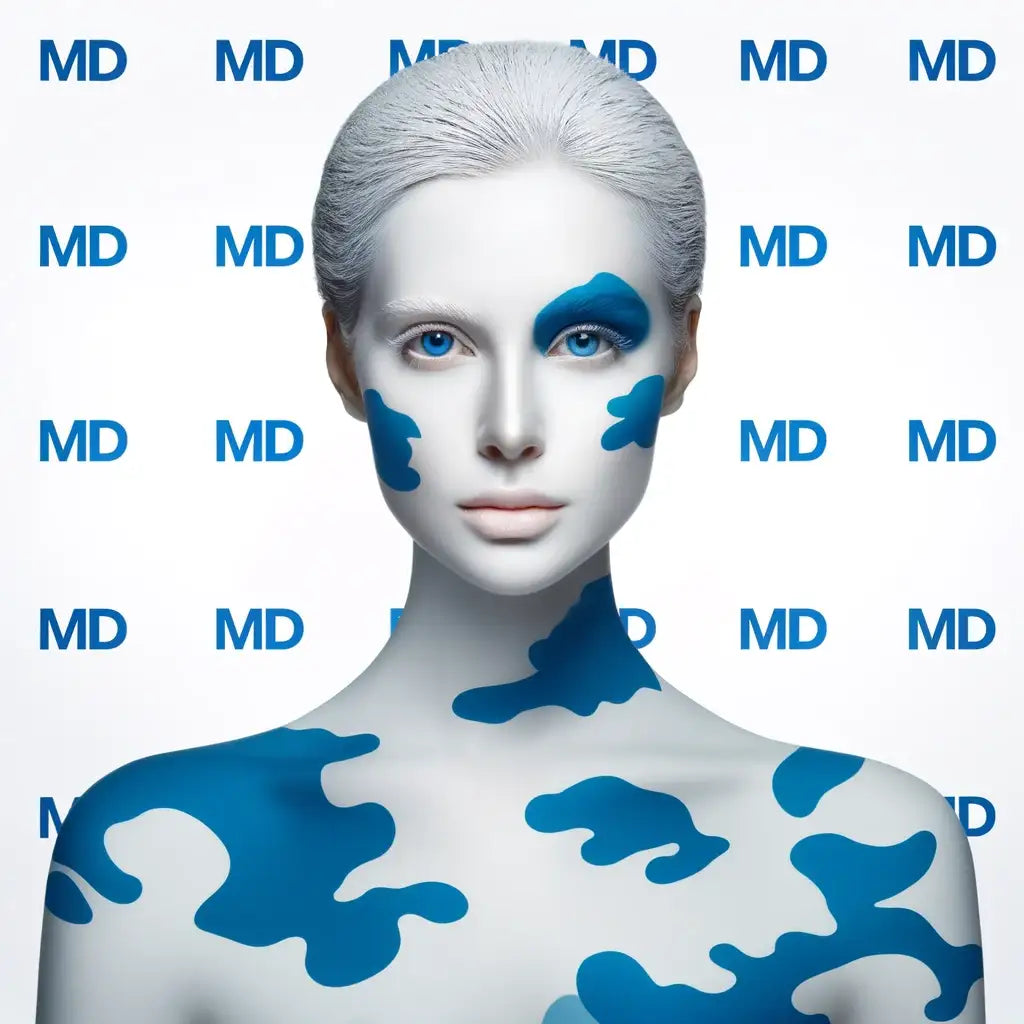
At Medicadermis, we do not advocate one-size-fits-all solutions. The art of skincare revolves around treatment that is spot-on. Every skin characteristic has its own story, and Medicadermis has a trained eye and ear for this. Pigmentation issues are diverse in nature and are difficult (or more difficult) to treat. Therefore, Medicadermis's in-depth knowledge is indispensable for a personalized approach to both hyperpigmentation and hypopigmentation. Our Spot program is aimed at reducing uneven pigmentation for an even complexion.
Products
Explanation about pigment
Where does pigment come from?
Pigmentation refers to the coloring of the skin. This skin pigment, or melanin, is produced by melanocytes. Melanin plays a role in protecting our skin against ultraviolet (sun) radiation and determines an individual's skin color.
- The function of melanocytes: Cells—the melanocytes—are responsible for the production of melanin. People of different skin tones have the same amount of them. But the variation in skin color between individuals is determined by the amount of melanin type that the melanocytes produce. And that differs.
- Type of melanin: There are primarily two types of melanin: eumelanin, which gives dark brown to black pigmentation, and pheomelanin, which is responsible for red to yellow tones. People with dark skin primarily produce eumelanin, resulting in deeper pigmentation, while people with lighter skin tones have a higher concentration of pheomelanin.
- Amount of melanin: People with dark skin generally have a higher concentration of melanin in their skin, which contributes to their richer, darker complexion.
- Distribution and size of melanin particles: In the skin of people with a dark complexion, the melanin particles are also larger and more evenly distributed. This structure offers increased protection against UV radiation, an important advantage in sunny countries.
What causes pigmentation problems?
Pigmentation problems can range from hyperpigmentation, where dark spots result from increased melanin production, to hypopigmentation, where light spots appear due to reduced production of this pigment. Such variations can cause a patchy appearance of the skin.
Pigment problems such as hyperpigmentation, hypopigmentation, and melasma are common skin issues that can be caused by a variety of factors. From genetic predisposition to exposure to external environmental factors, it is important to understand the underlying causes.
- Genetic predisposition plays an important role in many conditions that affect pigmentation. Conditions such as vitiligo and albinism are examples of this.
- Sun exposureis another crucial factor. Excessive UV light can increase melanin production, resulting in sunspots or liver spots. Furthermore, prolonged exposure to the sun can increase the risk of skin cancer.
- Hormonal influences are also influential. Changes during pregnancy, while breastfeeding, or the use of contraceptive pills or Polycystic Ovary Syndrome can, for example, cause melasma, which manifests as dark spots on the face.
- Inflammation can lead to post-inflammatory hyperpigmentation (PIH). This occurs when extra melanin is produced in response to the inflammation following a skin injury or inflammation. Examples include acne, eczema, or wounds.
- Medication can also be a driving force behind pigment changes. For example, certain antimalarials, tetracyclines, and some chemotherapies can have hyperpigmentation as a side effect.
- Chemical exposure, such as chemicals in hair dyes and bleaching products can cause local pigment changes. However, cosmetics with high percentages of vitamin C or retinol that increase skin sensitivity can also be considered chemical exposure.
- Specific skin diseases such as eczema, psoriasis, and dermatitis, which cause temporary or permanent changes in skin pigmentation due to the inflammatory processes they induce.
- Yeast infections Skin conditions caused by dermatophytes can sometimes lead to hyperpigmentation or hypopigmentation. These conditions are typically caused by fungi that are usually found naturally on the skin.
- Skin treatments can sometimes unintentionally cause pigment discoloration. The combination of such treatments with sun exposure is particularly risky, as even seemingly mild procedures can trigger hyperpigmentation in individuals who are sensitive to it. Therefore, it is truly very important to choose skin therapy treatments where the safety and expertise of the practitioner come first. At Medicademis, we ensure that every treatment is carefully tailored to your specific skin condition and needs.
The most common pigmentation problems
Here are some of the most common forms of hyperpigmentation that occur:- Melasma: This type of hyperpigmentation is often associated with hormonal changes and occurs more frequently in women, especially during pregnancy (sometimes called "pregnancy mask"). It manifests as dark, irregular spots, usually on the face.
- Sunspots (Lentigo Solaris): These spots, also known as age spots, are caused by prolonged exposure to the sun. They usually appear on parts of the body most exposed to the sun, such as the face, hands, and arms.
- Post-inflammatory hyperpigmentation (PIH): This type develops after a skin injury or inflammation, such as acne, eczema, or even after certain skin treatments. It results in dark spots that can appear at the site of the previous skin condition.
- Freckles: Small, brown spots that usually appear in people with lighter skin tones. Freckles are normally genetically determined and become more prominent after sun exposure.
- Café au lait stains: Although these are sometimes difficult to remove completely, certain types of laser can be effective.
- Nevus of Ota: This is a blue-gray hyperpigmentation that usually occurs on the face and around the eyes.
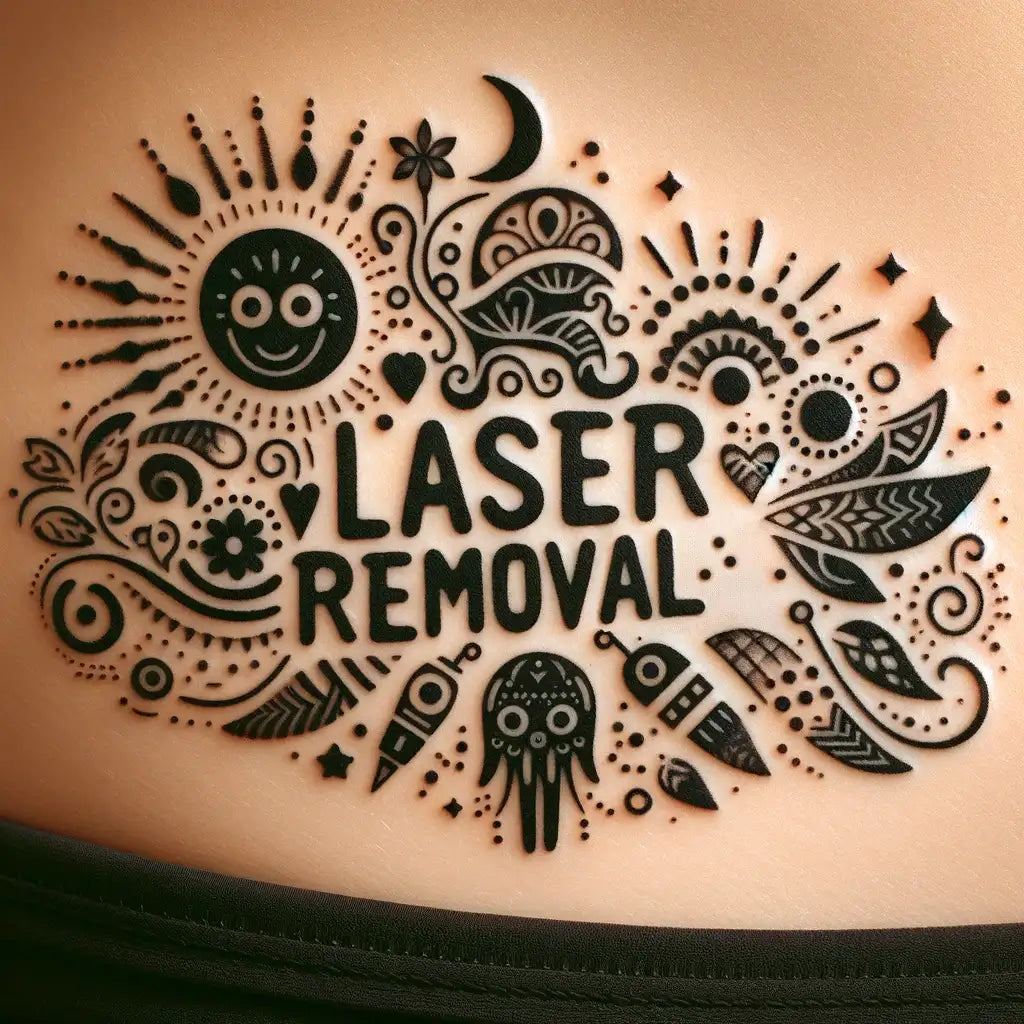
- Tattoos: Although technically not natural pigmentation, tattoos are often treated with Q-switched lasers that can break down ink particles and thus remove the tattoo.
The treatment options
Laser therapy and IPL for dark skin discolorations
Medicadermis utilizes multiple light and laser technologies. The choice of a specific type of light or laser therapy depends on several factors, such as skin type, the severity of the discoloration, and the location on the body. In laser therapy, light beams with a specific wavelength are used to target pigment spots. The light from the laser or IPL is absorbed by the pigment in the skin, causing it to break down into smaller particles that can then be eliminated by the body. This can lead to a lighter and more even skin tone. Afterward, the skin must be protected with a high SPF to maintain the achieved result. After all, pigment returns quickly under the influence of the sun!
Medical Peels for dark skin discoloration
Medical peels offer an effective solution for fading dark skin discolorations, such as hyperpigmentation and sun-induced damage. These treatments work by gently exfoliating the top layers of the skin, which not only helps to even out the skin tone but also noticeably improves the overall texture of the skin. Furthermore, peels enhance the effectiveness of skincare products by promoting deeper penetration into a renewed skin layer. However, it is crucial to proceed with extra care when applying chemical peels to dark skin to avoid specific risks.
Medical microneedling for darkening of the skin
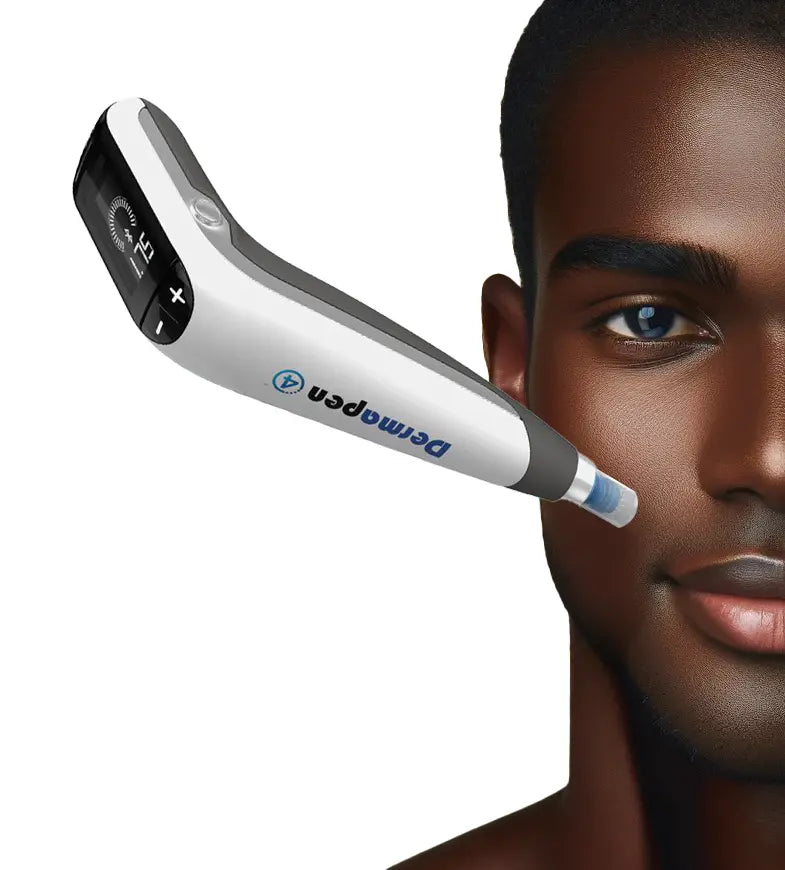
Medical microneedling is an effective treatment method for dark skin discolorations such as hyperpigmentation. By using a device with fine needles, tiny wounds are created in the upper layer of the skin. These micro-injuries stimulate the skin to activate its natural healing processes, leading to various benefits for skin with dark discolorations. The benefits of microneedling for dark skin discolorations:
- Stimulation of collagen production: This treatment increases collagen production in the skin. More collagen can help fade dark spots and ensures a more uniform skin tone.
- Improved absorption of skincare products: Microneedling improves the absorption of active ingredients in skincare products. After the treatment, products developed to combat pigmentation can penetrate deeper, allowing them to work more effectively in reducing dark spots.
This treatment therefore offers a dual approach: on the one hand, stimulating internal processes such as collagen production for improved skin structure, and on the other, increasing the effectiveness of external treatments through the improved absorption of skincare products. As a result, microneedling is a versatile solution for improving dark discoloration and achieving a more even skin tone.
Skin brightening treatment using cosmeceuticals
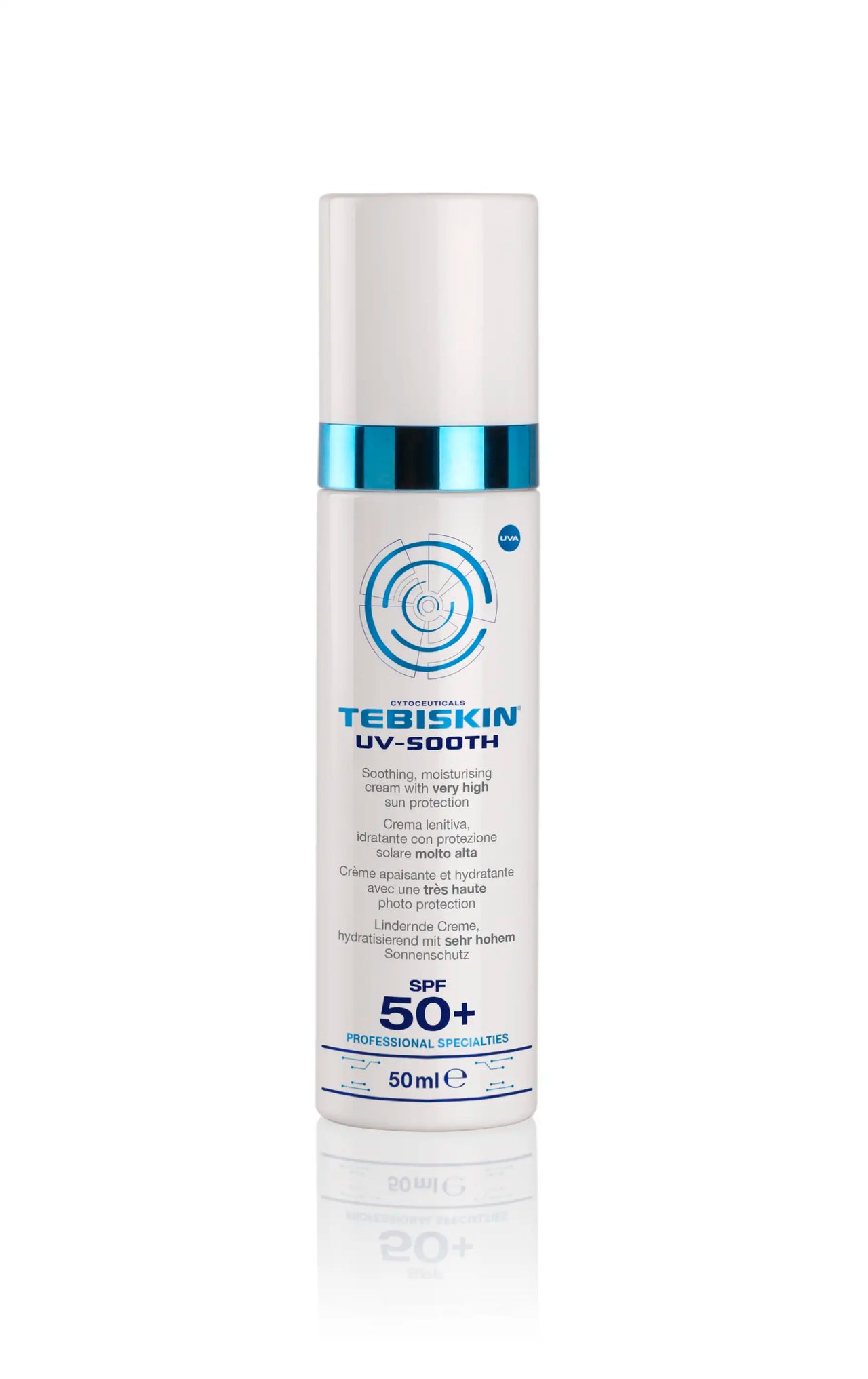
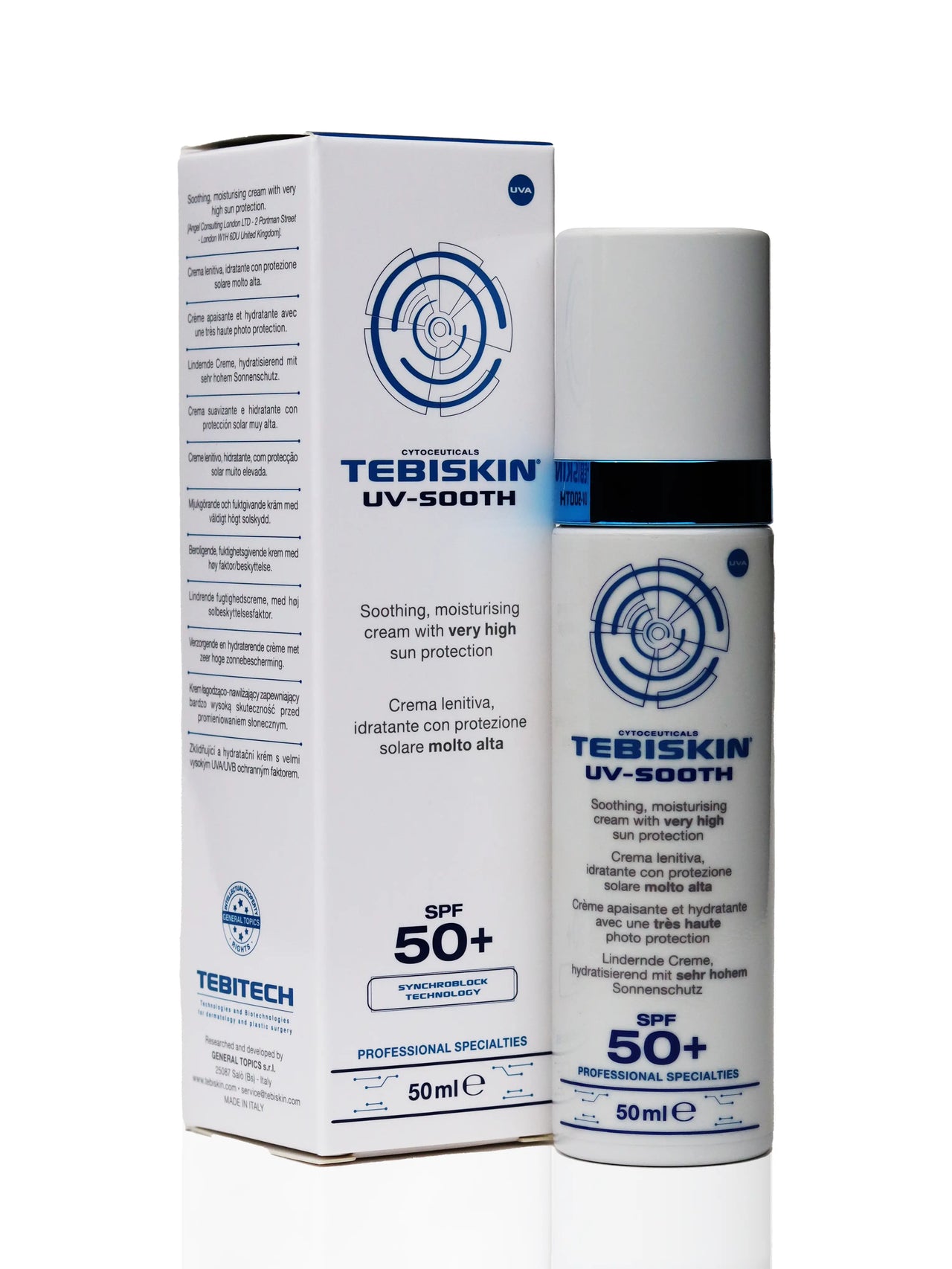
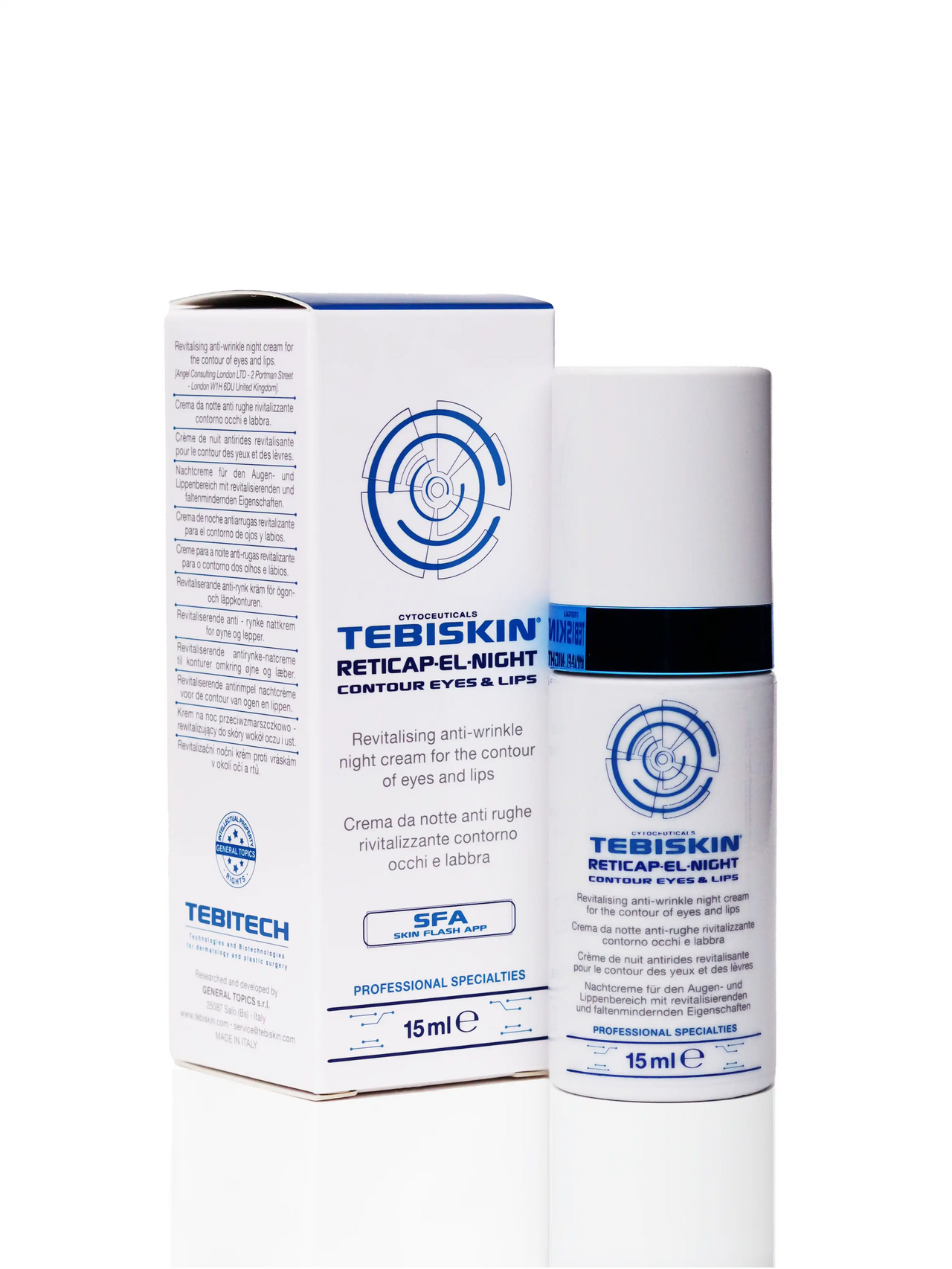
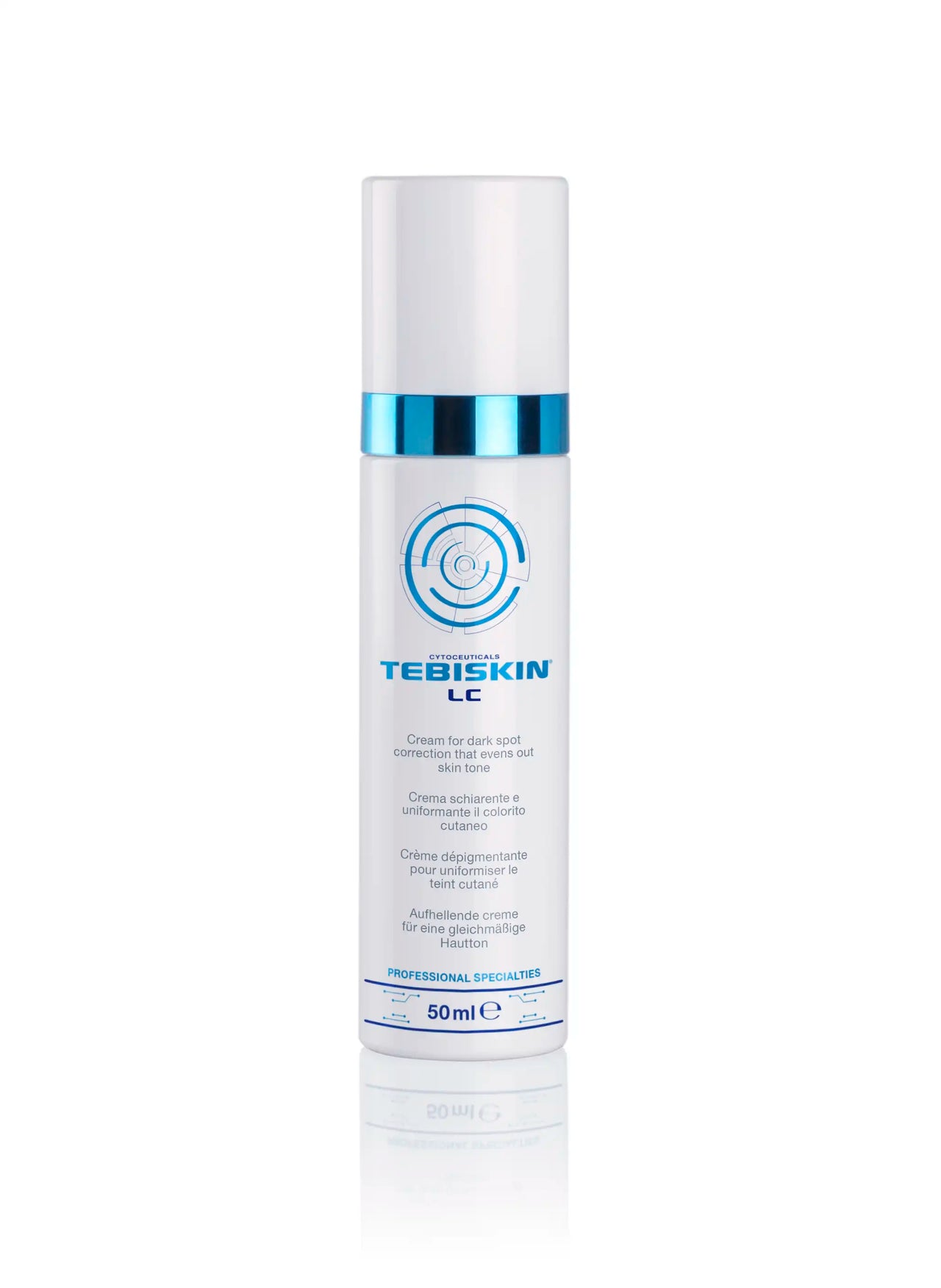
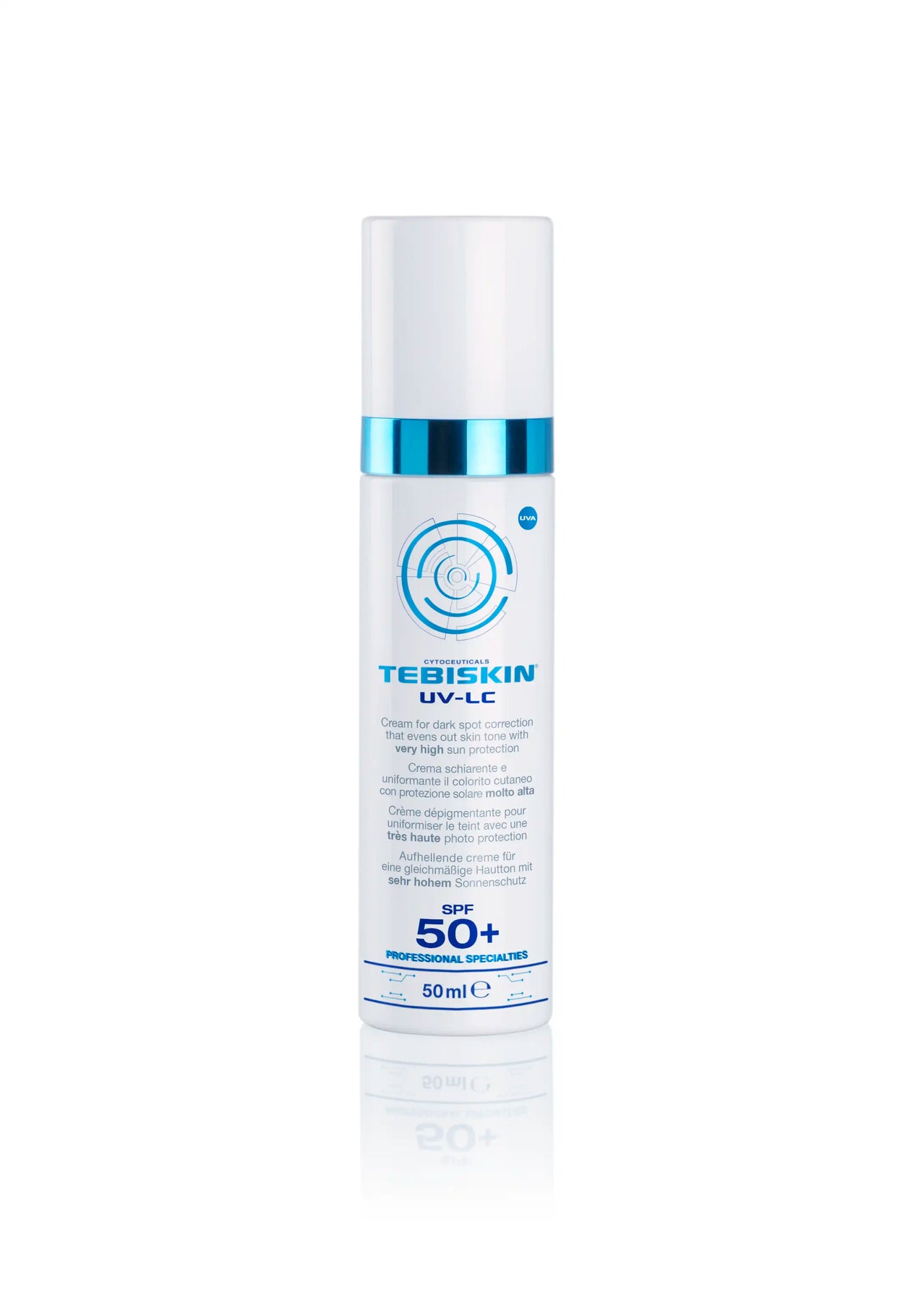
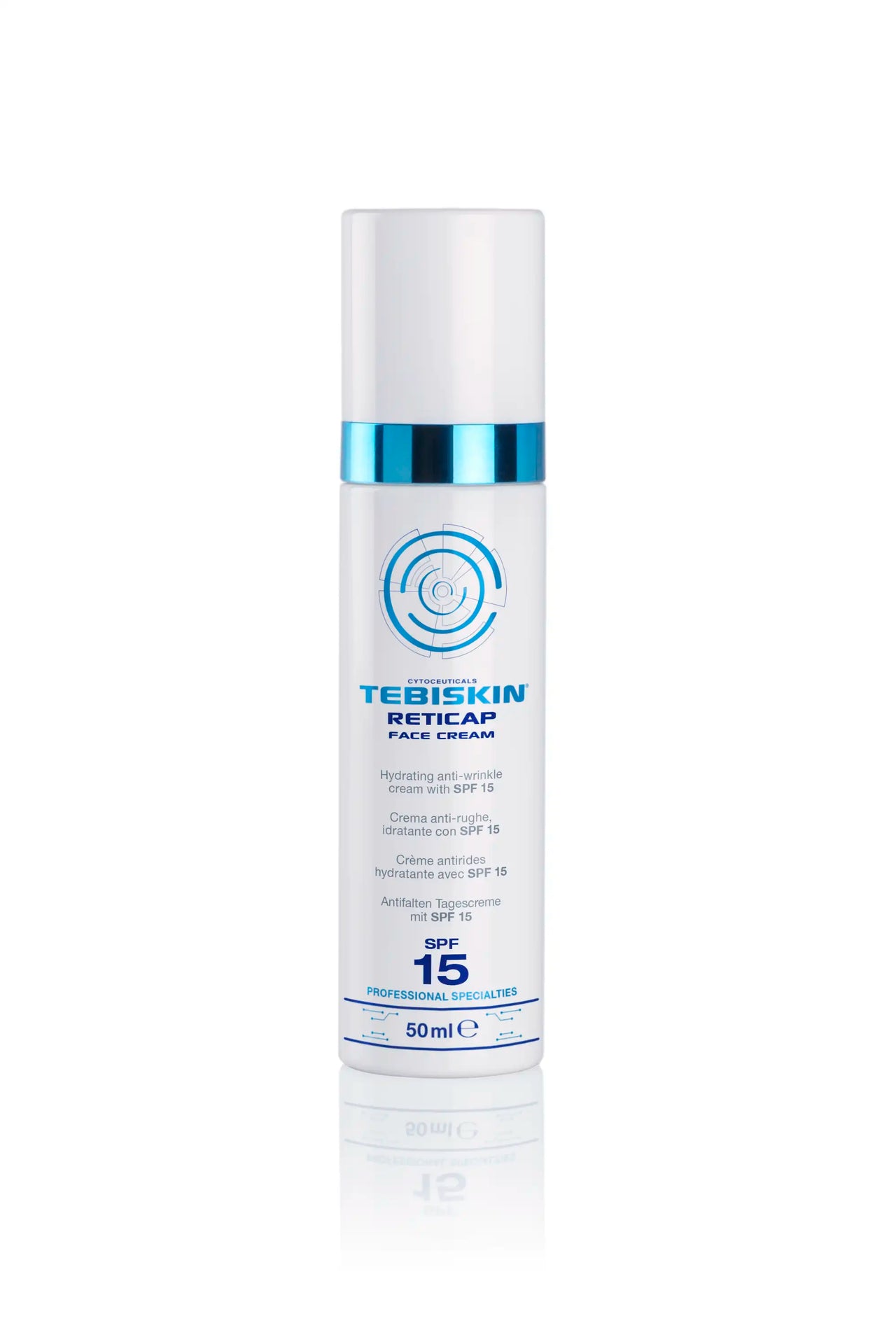
Cosmeceuticals are cosmetic products with active ingredients that have a therapeutic effect on the skin. They are particularly effective for the home treatment of skin discoloration. Cosmeceuticals offer a practical alternative to or complement professional treatments.In preparation, the skin therapist can prescribe them to prevent pigmentation problems after the treatment. At Medicademis, we have carefully selected products from reliable brands. They contain natural extracts and have the ability to reduce melanin production. The products we offer are effective and safe for improving skin health. This is particularly important for darker skin types to minimize the risk of irritation or unwanted discoloration. Furthermore, we can choose between mild options, suitable for daily use, and more specialized treatments intended for specific cases and severe discoloration. This requires a personal approach.
- Retinoids and dark spots: Products such as Tretinoin, a powerful form of vitamin A, accelerate cell renewal and can effectively reduce visible dark spots. However, due to the potency of Tretinoin, caution is advised when using it on darker skin types to minimize the risk of irritation and further pigmentation. Retinol, a gentler variant available without a prescription, also improves skin texture and helps reduce pigmentation. This is often more suitable for people with darker skin, as it is milder and less likely to cause side effects. At Medicadermis, we offer various strengths of retinol so that we can take a tailored approach that suits the sensitivity and needs of every skin type. We always advise our clients to gradually build up these products in their skincare routine, under the guidance of our skin therapist, to achieve the best results without damaging the skin.
- Exfoliating Acids: At Medicadermis, we understand that not all acids in the same concentrations are suitable for every skin type, especially for darker skin tones. That is why we carefully select products with exfoliating acids such as alpha-hydroxy acids (AHAs) and beta-hydroxy acids (BHAs), which are available in various concentrations. This allows us to take a personalized approach for every client, depending on their specific skin needs and sensitivity. For example, lower concentrations may be more suitable for darker skin to minimize irritation and reduce the risk of post-inflammatory hyperpigmentation, while higher concentrations can be effective for other skin types.
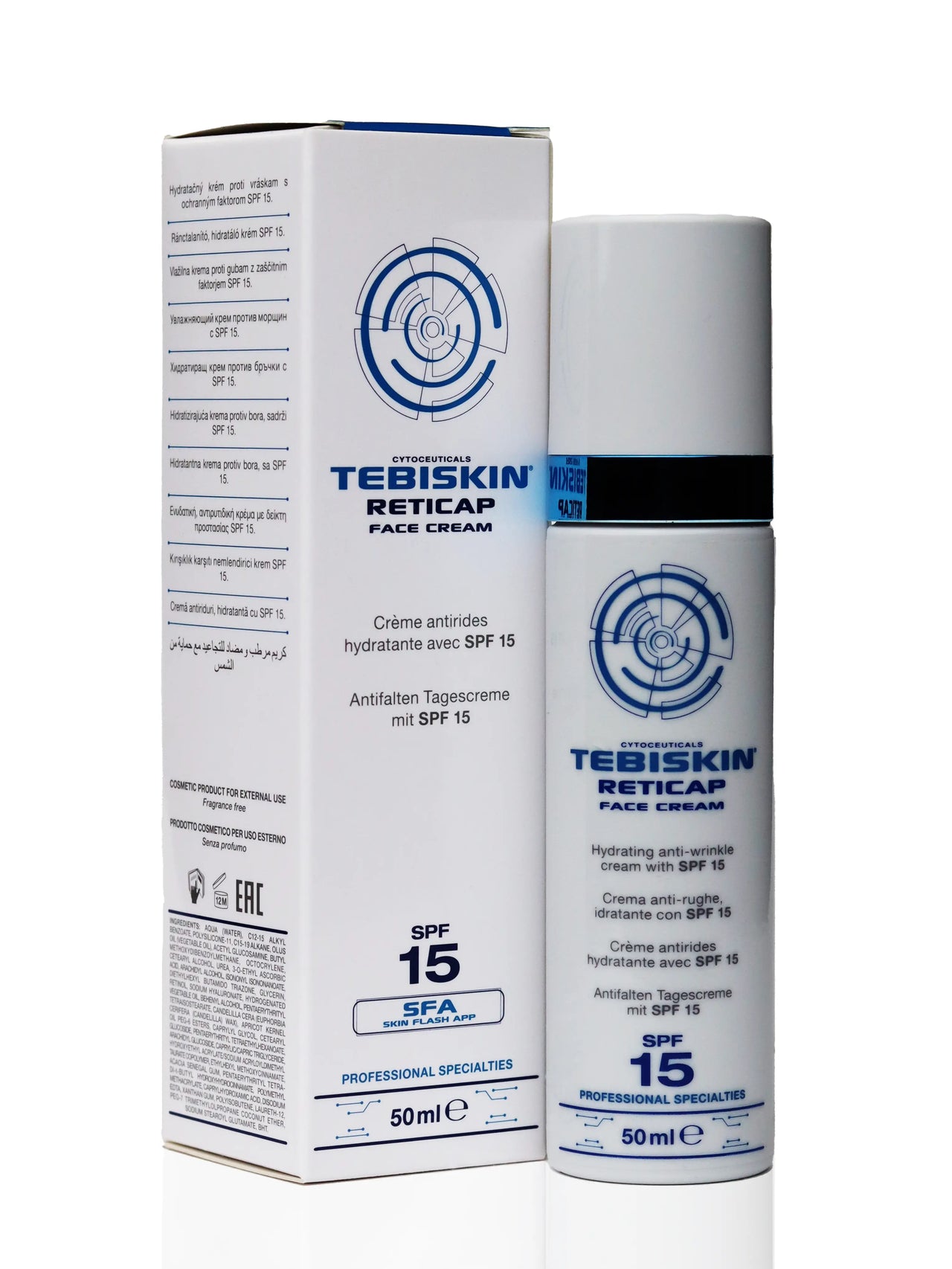
- Sunscreen Broad-spectrum sunscreen: Essential to prevent further discoloration caused by UV rays, which can worsen existing hyperpigmentation.
At Medicademis, we place great value on the consistent use of our recommended products, as this is essential for achieving visible results. Additionally, we always recommend a patch test, performed under the supervision of our skin therapists, to prevent possible skin irritation or allergic reactions. For the best results, it is important to combine these treatments with regular evaluations by our skin therapist.
Camouflage and dermatography
Medical camouflage therapy for dark and light skin discoloration
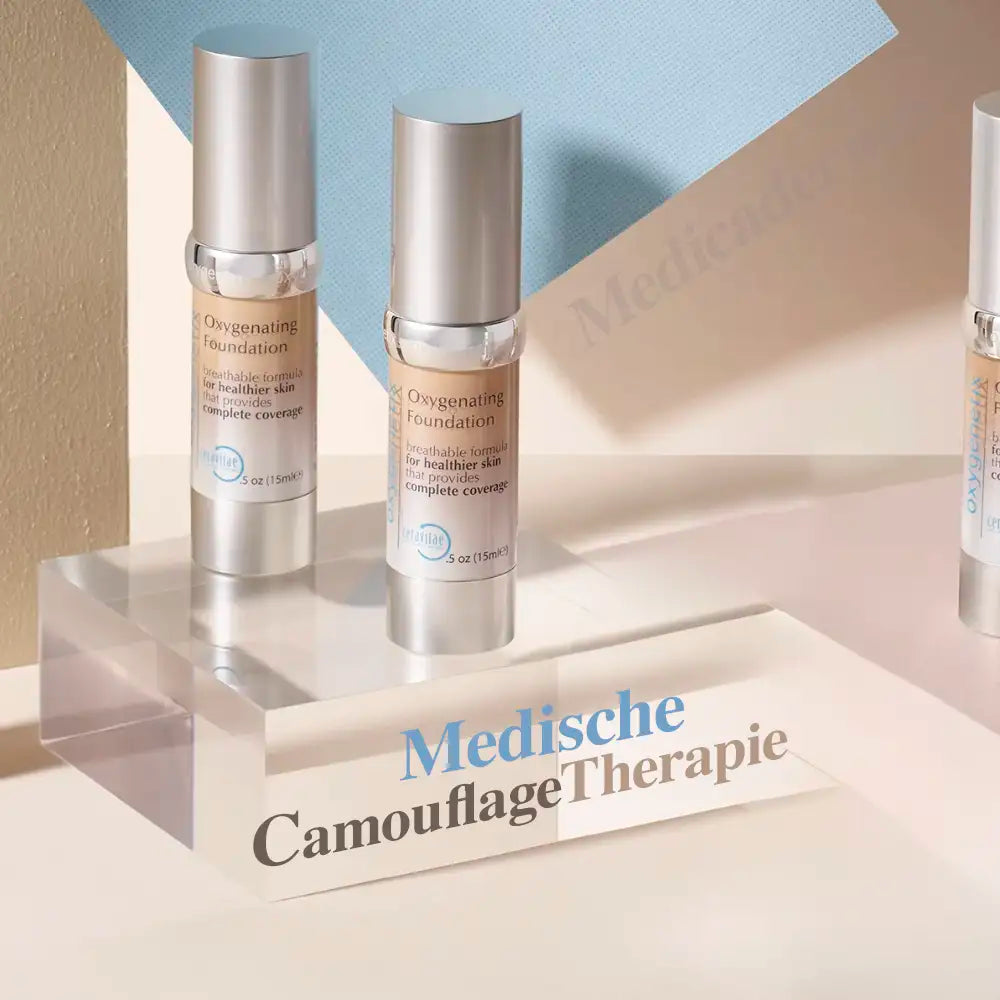
At Medicadermis, we offer medical camouflage therapy as a treatment option for both dark and light skin discolorations. This therapy is suitable for patients seeking a non-invasive solution to camouflage pigmentation differences and other dermatological conditions.
We use dermatologically tested camouflage products for long-lasting, water-resistant coverage, while preserving the skin's natural appearance.Our extensive range of colors is carefully matched to each client's individual skin tone, ensuring seamless integration with the surrounding skin. These camouflage products are safe and effective, even on sensitive skin recovering from treatments such as laser therapy, chemical peels, or microneedling. They not only provide excellent coverage for temporary redness, swelling, or other discoloration that may occur after such procedures but also support the healing process, allowing the skin to recover while simultaneously being protected from exposure to sunlight and environmental influences.
Our skin therapist is trained in the application of these special products and provides personalized instructions to empower clients to apply these techniques themselves for daily use. Each treatment session includes an evaluation of the skin condition. We take into account factors such as skin type, degree of discoloration, and personal lifestyle to work towards an optimal result. The use of medical camouflage at Medicademis is aimed not only at aesthetic improvement but also at strengthening the psychological well-being of our clients.
Dermatography for the treatment of hypopigmentation
Dermatography, also known as medical tattooing, can be used to treat hypopigmentation. Hypopigmentation involves a decrease in melanin in the skin, resulting in light spots or patches. During a dermatography procedure, pigment is tattooed superficially into the skin using a tattooing device and special needles. The pigments are carefully selected to match the natural skin tone and are applied strategically to camouflage the hypopigmentation.
Before considering dermatography, it is always wise to consult with the skin therapist. Together, you can determine whether this is the right treatment option for your specific situation. Any potential risks or contraindications will also be discussed.
Which treatment is suitable for me now?
With our extensive treatment options, Medicadermis is ready to answer your skin questions. However, we understand that all the choices we offer online can be overwhelming. And that sometimes you need advice in addition to the information we share online. Feel free to contact us for a no-obligation consultation. consultation in the Medikadermis Skin Therapy practice with our skin therapist. But also low-threshold contact in the form of a free video consultation That is of course also possible. Discover which treatment(s) best suit your needs. Receive compliments with a clear, even, and firm skin. Enjoy minimal recovery time with lasting results.
For those suffering from pigmentation spots, uneven skin, or discolorations, we have additional information about treating pigment spots in The Hague.
Filters